Home › Asphalt Pathways, Sidewalks, and Trails
Connect your property with smooth, accessible routes through asphalt pathway paving in Detroit, MI. We build sidewalks, multi use trails, and bike paths with gentle grades and even surfaces. Ideal for parks, campuses, and commercial sites that prioritize safe pedestrian movement.
Precision Asphalt Detroit provides professional asphalt pathway paving throughout Detroit, MI, Michigan and the surrounding area. Our licensed, insured crew delivers safe, clean, on-time work with a free estimate before anything begins. Call (313) 889-7046 or request your free quote.
Durable Asphalt Pathways, Sidewalks, and Trails in Detroit
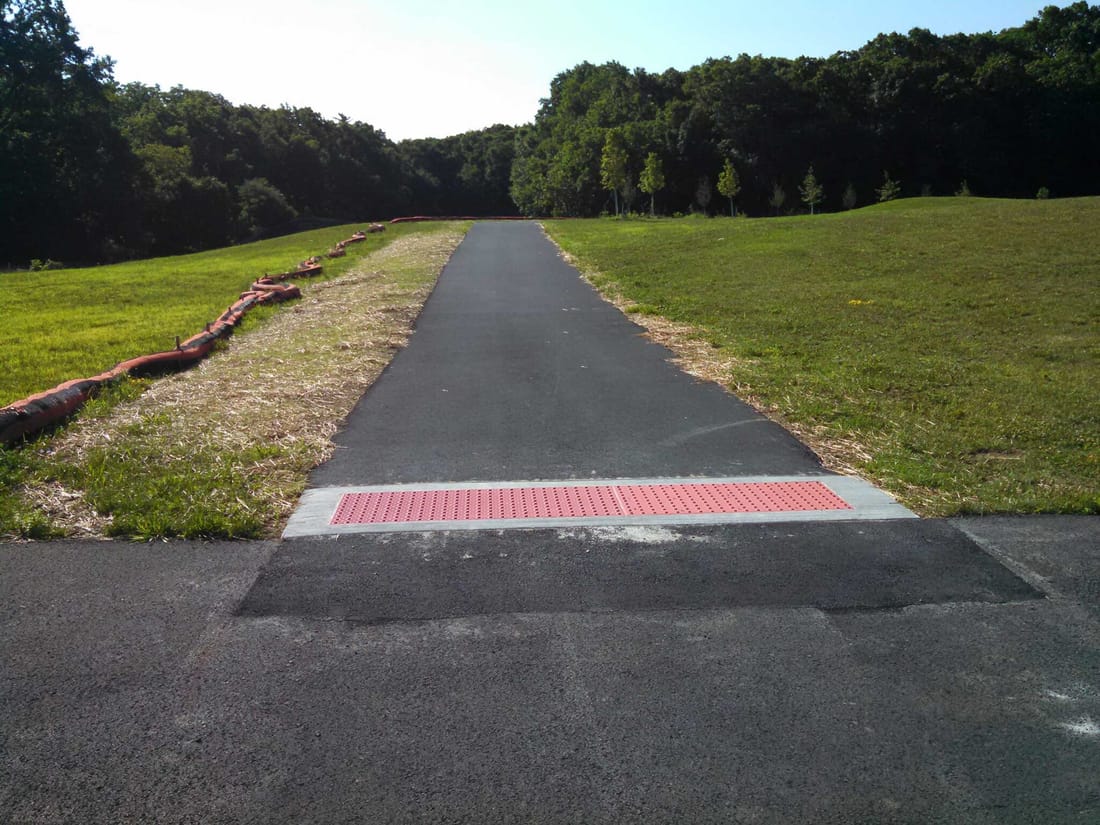
Precision Asphalt Detroit builds asphalt pathways, sidewalks, and trails that hold up to Michigan freeze-thaw cycles, heavy foot traffic, and city salt use. We focus on function first, then finish and appearance, so you get surfaces that stay smooth and safe for years.
For Detroit properties, a paved path is often more than a convenience. It controls how people move through a site, where water drains, and how snow can be cleared. We look at the entire property, not just the ribbon of pavement. That means checking grades, downspout locations, vehicle access points, and existing concrete or asphalt tie-ins.
We work with commercial properties, municipalities, schools, multi-family communities, and homeowners. A narrow backyard walkway, a riverfront recreation trail, or a busy sidewalk along a city street are all designed and built differently. Precision Asphalt Detroit adjusts the design, base build-up, drainage, and asphalt mix to fit each use and location.
How Asphalt Pathway Paving Actually Gets Built
A good pathway or trail starts underneath the blacktop. The visible asphalt is only the top layer of a system. Here is how Precision Asphalt Detroit typically completes an asphalt pathway paving project:
1. Site walk and layout: We walk the route with you, mark utilities, and flag drainage issues. For longer trails, we sometimes stake the alignment so you can see exact curves and widths before excavation.
2. Excavation and subgrade prep: We strip sod and organic material, then excavate to the depth needed for stone base plus asphalt. In Detroit, many sites have fill soils, so we proof-roll the subgrade and dig out any soft spots. Those areas get undercut and replaced with compacted stone.
3. Base stone installation: We install crushed concrete or limestone base, usually 4 to 8 inches, depending on use. A light residential walkway needs less than a multi-use trail that might see maintenance trucks. The base is compacted in thin lifts using plate compactors or rollers so it is dense and uniform.
4. Fine grading and drainage shaping: Before asphalt, we shape gentle crowns or cross slopes so water runs off instead of ponding. Around buildings and slabs, we verify that finished grades will pitch away from foundations and door thresholds.
5. Asphalt paving: For most pathways and sidewalks we use a 2 to 3 inch compacted layer of surface mix. On heavier use trails we may use a two-course system (binder layer plus surface layer) for added strength. We place the asphalt by small paver when access allows, or hand-spot and lute in tight or curved areas, then compact with rollers.
6. Edges and tie-ins: Edges can be left flush with topsoil, supported by additional base stone, or finished with concrete or metal edging depending on your maintenance plan. Around driveways, roads, and existing sidewalks, we grind or cut to create clean, level transitions.
7. Curing and first use: Asphalt cools and can usually be walked on within a few hours, but it continues to harden over several days. For new work, we recommend keeping heavy equipment or vehicles off the path for a minimum of 3 days if vehicle access is needed at all.
Design Choices: Width, Thickness, Layout, and Mix Options
The best design for an asphalt pathway or trail in Detroit depends on who is using it and what must cross it.
Width: Residential walkways are often 3 to 4 feet wide. Apartment communities and schools usually need 5 feet minimum so two people or a stroller and pedestrian can pass each other comfortably. Multi-use trails typically run 8 to 12 feet or more. Precision Asphalt Detroit will ask how you expect the path to be used before proposing a width.
Thickness: For simple foot traffic, 2 inches of compacted asphalt over 4 inches of base stone is a common starting point. If light vehicles like golf carts, maintenance gators, or small plows will use the trail, we increase asphalt thickness and base depth.
Layout: Curves, slopes, and intersections all affect cost and usability. Tight curves slow plowing and create stress points where asphalt can crack. We try to use broader curves and avoid sudden grade changes. In winter, slopes can become icy, so we discuss snow routes and where melt water will go when it refreezes.
Asphalt mix: For pathways and sidewalks we usually specify a fine-graded surface mix that compacts to a smoother finish, easier for wheelchairs, bikes, and scooters. For heavily shaded trails where moisture lingers, we may recommend mixes and grades that shed water more quickly and reduce surface raveling.
Edging and surroundings: On many Detroit sites, mowing and snow removal drive the edge design. If lawn crews will trim regularly, we may recess the asphalt slightly and feather into topsoil. If snow plows will run close to the edge, extra base width and compacted shoulders help prevent edge cracking and breakup.
Detroit-Specific Issues: Freeze-Thaw, Salting, and Drainage
Detroit winters are hard on narrow pavements. Precision Asphalt Detroit designs pathways, sidewalks, and trails around three local realities: repeated freeze-thaw cycles, salt use, and clay-heavy soils.
Freeze-thaw: When water gets under or within the base, it freezes, expands, and lifts the pavement. When it thaws, the support disappears and the asphalt can crack or settle. We fight this by using well-graded base stone, compacted properly, and by shaping the surface to get water off the pavement quickly.
Salt and de-icers: City sidewalks and many commercial paths get hit with salt and other de-icers for months. Asphalt handles salt better than most concrete, but the combination of salt, plows, and temperature swings can still damage weak edges and poorly supported spots. We thicken base at entrances, corners, and near road crossings where salt and turn movements are most aggressive.
Clay and fill soils: Much of Detroit has underlying clay that drains poorly. On those sites, we sometimes add geotextile fabric between the clay subgrade and the stone base. This helps keep the base from pumping into the clay and losing strength, especially on trails that stay damp.
Surface water and sump discharge: Downspouts and sump pump outlets that discharge across paths create constant wet zones that turn into ice in winter. During planning we map those and, when possible, reroute or extend them so they do not run over or under the finished pathway.
What Drives Cost and How We Help You Control It
The cost of asphalt pathway paving in Detroit is controlled by a handful of real factors, not just square footage. Precision Asphalt Detroit walks you through these before you approve anything so there are fewer surprises.
Access and mobilization: A simple backyard path that requires small machines and hand work through a narrow gate can be more labor intensive than a longer trail with wide access. Hauling distance for stone and asphalt also matters, especially on larger municipal or campus projects.
Excavation and base corrections: Sites that look flat on the surface sometimes hide buried debris, soft pockets, or poor fill. When we estimate, we plan for standard excavation and base. If we suspect issues, we discuss contingency options, like unit pricing for undercuts, so you know the possible range.
Thickness and structure: More base stone and thicker asphalt add cost but also add lifespan. For light residential use, we will show you a cost-effective standard section. For heavier use or poor subsoils, we may offer a stronger section and explain the long-term savings in reduced repairs.
Layout complexity: Straight runs with consistent width are more efficient than frequent width changes, tight curves, and intricate shapes. When budget is a concern, we sometimes simplify layouts while still meeting accessibility and aesthetic goals.
Finish details: Edging type, connection to existing concrete, and features like ramps, landings, and crosswalk tie-ins affect cost. We help you prioritize what must be done to meet code and safety needs first, then what is optional.
Before You Hire a Contractor for Asphalt Pathway Paving
Choosing a contractor for asphalt pathways, sidewalks, and trails is different from hiring for a simple driveway overlay. The work is closer to sitework and requires attention to grading, accessibility, and long-term maintenance.
For Detroit projects, Precision Asphalt Detroit recommends you ask any paving contractor these questions before you sign:
• How do you build the base and what thickness are you proposing for both base and asphalt, specifically for the loads my path will see?
• How will you manage drainage so water does not sit on or along the path, especially in winter?
• What is your plan for protecting tree roots, utilities, and existing structures during excavation?
• How will you phase work to keep access open if this is a school, apartment, or retail property?
You should also clarify how repairs will be handled. Narrow pavements can show damage quickly if snow plows cut corners or if delivery vehicles use them as shortcuts. A contractor who does a lot of pathway and trail work will talk to you about edge protection, bollards, signage, or physical layout changes that prevent misuse.
Precision Asphalt Detroit provides clear drawings or sketches for more involved projects, written sections showing proposed depths and materials, and straightforward scheduling. Our crews are local, familiar with Detroit permits and requirements, and used to working in tight city sites as well as parks and campuses.