Home › Asphalt Resurfacing & Overlays
Refresh your worn driveway with asphalt resurfacing in Detroit, MI instead of a full tear out. We repair and level your existing surface, then apply a new asphalt overlay for a smooth, uniform finish. Extend pavement life and improve curb appeal with this cost effective solution.
Precision Asphalt Detroit provides professional asphalt resurfacing throughout Detroit, MI, Michigan and the surrounding area. Our licensed, insured crew delivers safe, clean, on-time work with a free estimate before anything begins. Call (313) 889-7046 or request your free quote.
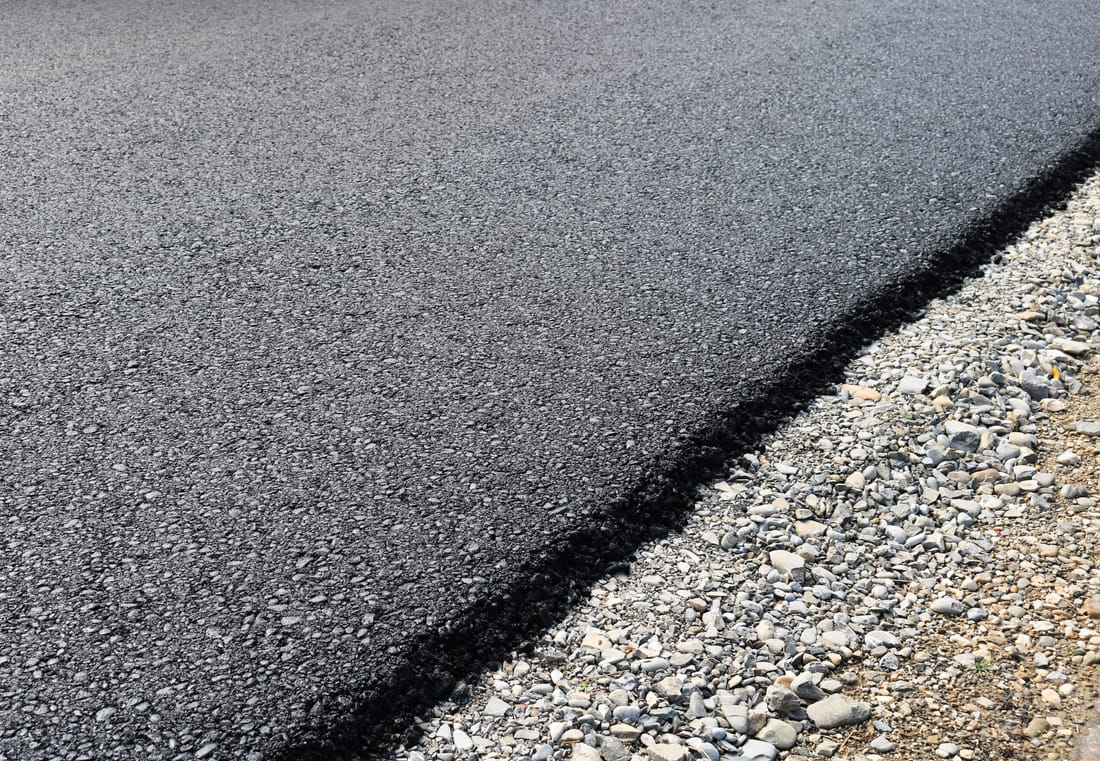
Asphalt Resurfacing & Overlays in Detroit, MI
Detroit pavement takes a beating from freeze-thaw cycles, road salt, and heavy local traffic. Asphalt resurfacing, also called an asphalt overlay, is often the most cost-effective way to bring a worn parking lot or driveway back to life without paying for a full tear-out.
At Precision Asphalt Detroit, we focus on projects in the city and nearby suburbs, so we know what actually holds up on Michigan roads and properties. Resurfacing is usually the right fit if the surface is tired, cracked, or rough, but the base underneath is still solid. In plain terms, if your asphalt is ugly but not sinking, resurfacing may be enough.
Common candidates for resurfacing include commercial parking lots with faded striping and scattered potholes, residential driveways that have been sealed too many times, and private roads or alleys with surface-level cracking. We inspect the pavement in person to decide whether an overlay will last at least another 10 to 15 years, which is the kind of lifespan most Detroit owners want to see to justify the cost.
Every project starts with a straightforward evaluation. We look for signs like alligator cracking that might point to base failure, measure low spots where water sits after rain, and check manholes, drains, and curb lines to see how much added thickness they can handle. Then we walk you through whether asphalt resurfacing is a smart investment or if your money is better spent on partial or full replacement.
How Asphalt Resurfacing Actually Works
Good resurfacing is more than just putting new blacktop on top of old. Precision Asphalt Detroit uses a step-by-step process that is built around Michigan soil conditions and weather.
First, we mill or grind down high spots around transitions like sidewalks, garage floors, building entrances, and street tie-ins. This keeps the new asphalt from creating trip lips or high edges. In commercial lots, we typically mill along gutters, catch basins, and approaches to keep water flowing correctly.
Next, we handle structural repairs. This means cutting out and replacing soft, broken, or alligatored areas before any overlay goes down. If the base is weak under those spots, a resurfacing alone would copy the same cracks to the new surface within a year or two. We dig down to solid stone, rebuild the base with compacted aggregate, then patch with hot mix asphalt.
After repairs, we clean the entire surface. We use power brooms, blowers, and occasionally pressure washing to remove dust and debris, which can keep the new layer from bonding. Once the pavement is clean and dry, we apply a tack coat, a thin layer of asphalt emulsion that acts like glue between the old and new layers.
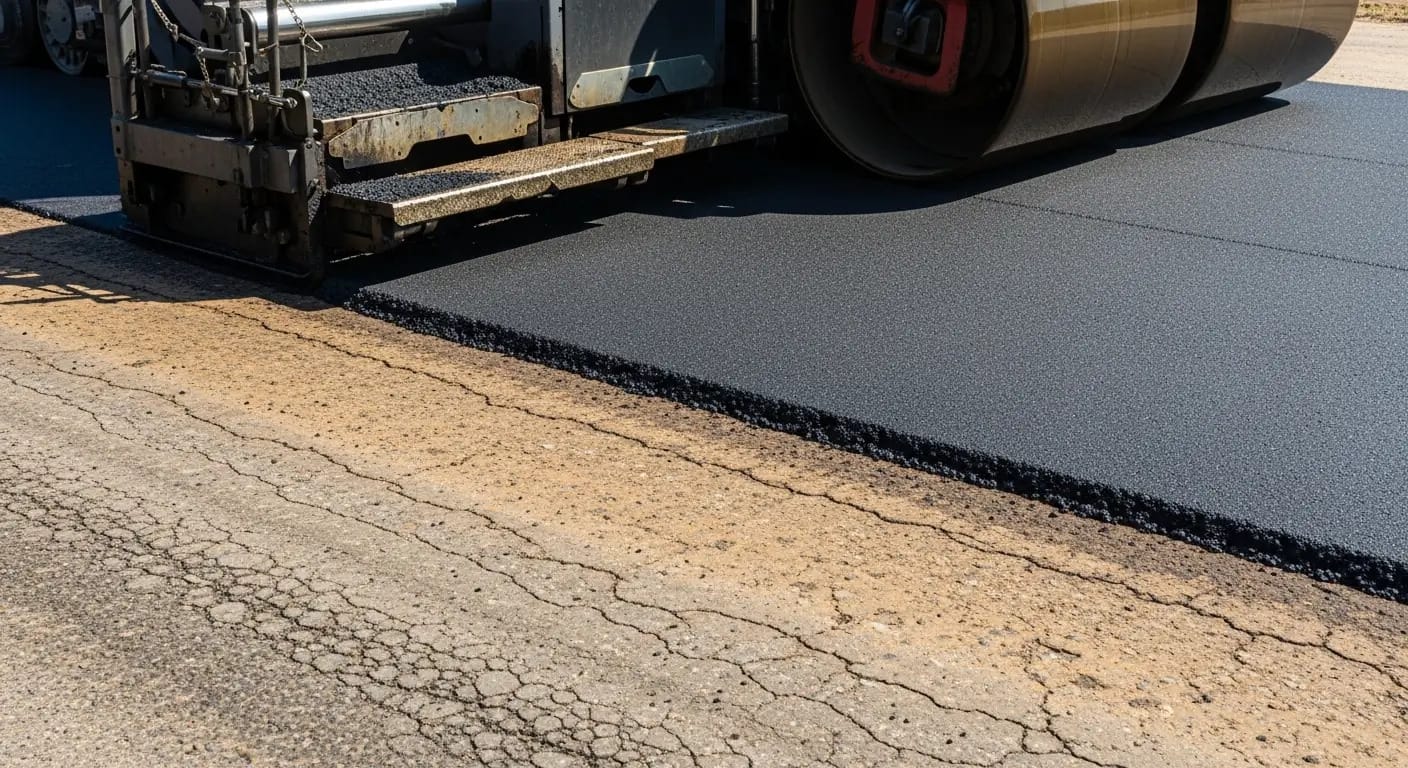
Finally, we install the new asphalt overlay with a paving machine and compact it with steel drum and rubber-tire rollers. Typical overlay thickness in the Detroit area is 1.5 to 2 inches for residential driveways and light-use lots, and 2 to 3 inches for commercial or heavier traffic areas. In some cases we use multiple lifts (two layers) to handle steeper grades or heavy truck traffic.
Once the new surface cools, we add pavement markings, traffic control devices, and, if needed, new wheel stops. For driveways, we clearly mark the edges and place tape or cones so no one drives on the new asphalt until it has set long enough.
Local Factors That Affect Cost and Design
The cost of asphalt resurfacing in Detroit is driven by more than just square footage. When Precision Asphalt Detroit prices a job, we look closely at several local factors that have a real effect on your final number.
Thickness and mix design are major cost drivers. A heavier-duty commercial mix with more stone and polymer-modified binder costs more than a basic residential mix, but might be necessary for delivery truck traffic or dumpster pads. Lots that see garbage trucks, semis, or frequent loading need a thicker overlay around those traffic paths.
Existing damage also matters. A driveway or parking lot that only needs surface repairs and crack filling is cheaper than one that requires multiple full-depth patches and base stabilization. In older Detroit neighborhoods with clay soils and poor drainage, we often find soft areas that must be undercut and rebuilt so your overlay does not fail prematurely.
Site conditions and access are another big factor. Tight alleys, limited staging areas in dense city blocks, and busy businesses that must stay open require more labor coordination and sometimes night or weekend work. We plan phasing so customers, tenants, and deliveries can keep moving while paving is underway.
Drainage and slope drive design choices too. Many older lots in Detroit were paved flat, which leads to standing water and ice. When we resurface, we look for chances to correct grades by milling deeper in some areas and building others up with asphalt so water reaches the existing catch basins or street gutters. This type of fine grading adds some cost but protects your investment and reduces slip hazards.
Finally, timing in our weather window matters. Michigan paving seasons run roughly from April through early November, depending on temperatures. Work done in cooler shoulder months may require different mixes and longer cure times, which we account for in planning and scheduling.
Common Problems and How We Prevent Them
A rushed or poorly planned overlay can look good for a season, then fail quickly. Precision Asphalt Detroit designs each resurfacing project around the common problems we see across Michigan.
Reflective cracking is a big one. Cracks in the old asphalt can reflect through the new surface if they are not handled correctly. We route and seal larger cracks before overlay, and in some cases, use reinforcing fabric or grid over chronic crack lines or joints. We will tell you upfront if the existing cracking is likely to show through over time so expectations are clear.
Puddling and birdbaths are another frequent complaint. These usually happen when the old surface was not corrected before overlay. We field-check low areas after a rain when possible. During prep, we mill or level those spots and adjust the new asphalt thickness so water has a clear path to drains or edges. Our crews use 10-foot straightedges during compaction to catch dips while the asphalt is still workable.
Edge failures are common on driveways and small lots, especially where vehicles run off the side of the pavement. With resurfacing, we recommend widening narrow driveways or adding shoulder stone at the edges so the asphalt is supported. For commercial lots, we may suggest adding or adjusting concrete curbing in high load areas.
Another issue in Detroit is the interaction with utilities and city infrastructure. If your lot has manholes, water shutoffs, or gas valves, they must be raised to match the new surface height. We coordinate with utility maps, spot locate covers, and adjust or replace castings as part of the overlay so you do not end up with sunken or raised lids.
Lastly, salt and snow work are part of life here. We consider how plows will hit the new surface and where snow piles will sit. On commercial sites, we talk with the snow contractor if possible so plow blades are set correctly and do not gouge the new asphalt during the first winter.
Permits, HOA Rules, and What to Expect From Us
For most private driveways in Detroit and surrounding suburbs, resurfacing itself does not require a building permit, but work that ties into sidewalks or city streets may need approval. In the city of Detroit, any work in the right of way, such as approaches at the street, must meet city specs and may require a permit. Precision Asphalt Detroit can help you determine if your project falls into that category and coordinate with the city when necessary.
HOAs and commercial property managers often have their own requirements, such as specific striping layouts, colors for accessible parking symbols, or rules on when work can be done. We review those documents with you before scheduling, then set up a phasing plan that keeps residents or customers informed and minimizes disruption.
Our typical resurfacing projects follow a clear schedule. Day 1 is usually milling and repairs, plus crack routing and sealing if needed. Day 2 is cleaning, tack coat, and paving. Marking and striping follow after the asphalt cools, often the same day on smaller jobs or the next day on larger lots. For most residential driveways, you can walk on the surface within a few hours and drive on it after 24 to 48 hours, depending on temperature.
We provide written proposals that explain what will be milled, where full-depth repairs will occur, overlay thickness, and what mix type we are using. You will know whether drainage corrections are included and how we will handle utility structures, curbs, and edges.
Before we leave, we walk the site with you or your representative to check transitions, drainage paths, and markings. We also review basic maintenance advice, such as when to schedule the first sealcoat and how to avoid damage from heavy point loads or equipment. With Detroit weather, the details matter, and our goal is to leave you with an asphalt resurfacing job that looks clean and lasts as long as local conditions will allow.