Home › Gravel-to-Asphalt Conversions
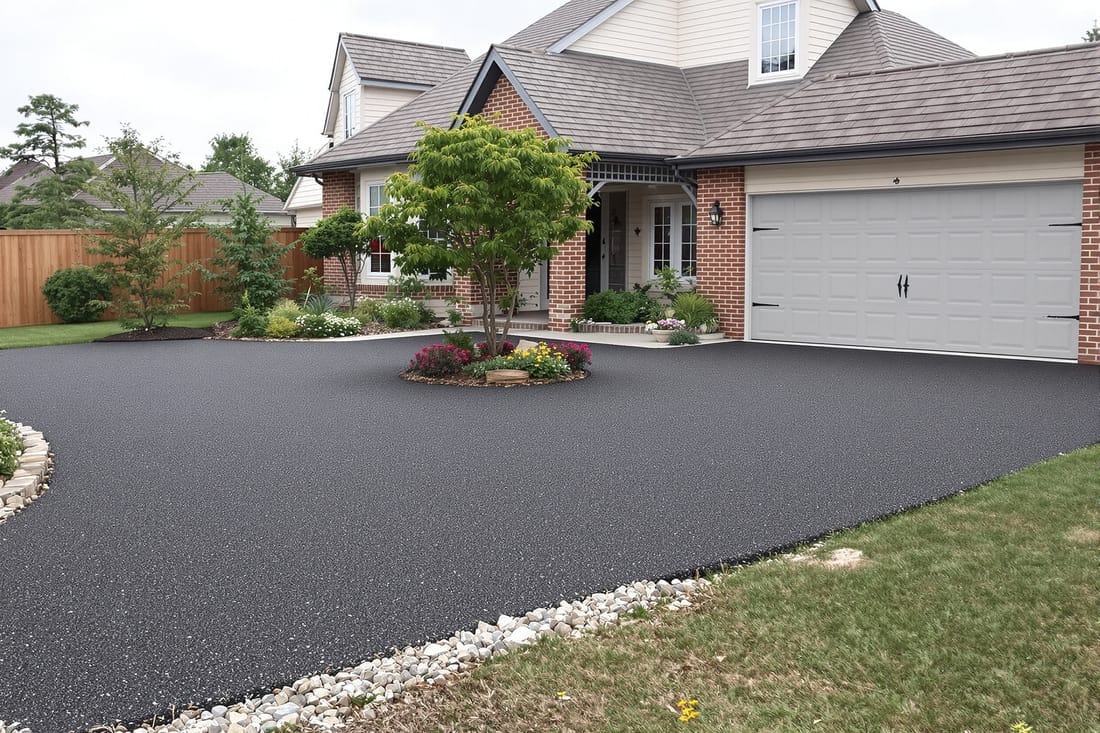
Tired of ruts and dust from a gravel drive. Our gravel to asphalt driveway conversions in Detroit, MI deliver a clean, solid surface that is easy to plow and maintain. We evaluate your base, make needed improvements, then install a durable asphalt driveway that improves daily use and curb appeal.
Precision Asphalt Detroit provides professional gravel to asphalt driveway throughout Detroit, MI, Michigan and the surrounding area. Our licensed, insured crew delivers safe, clean, on-time work with a free estimate before anything begins. Call (313) 889-7046 or request your free quote.
Turn Your Gravel Driveway Into Clean, Solid Asphalt
If you are tired of ruts, dust, and mud from your gravel driveway, converting it to asphalt is a permanent upgrade that changes how you use your property. Precision Asphalt Detroit focuses on gravel to asphalt driveway conversions in Detroit and the surrounding Michigan suburbs, and we design each project around local soil, drainage, and traffic conditions.
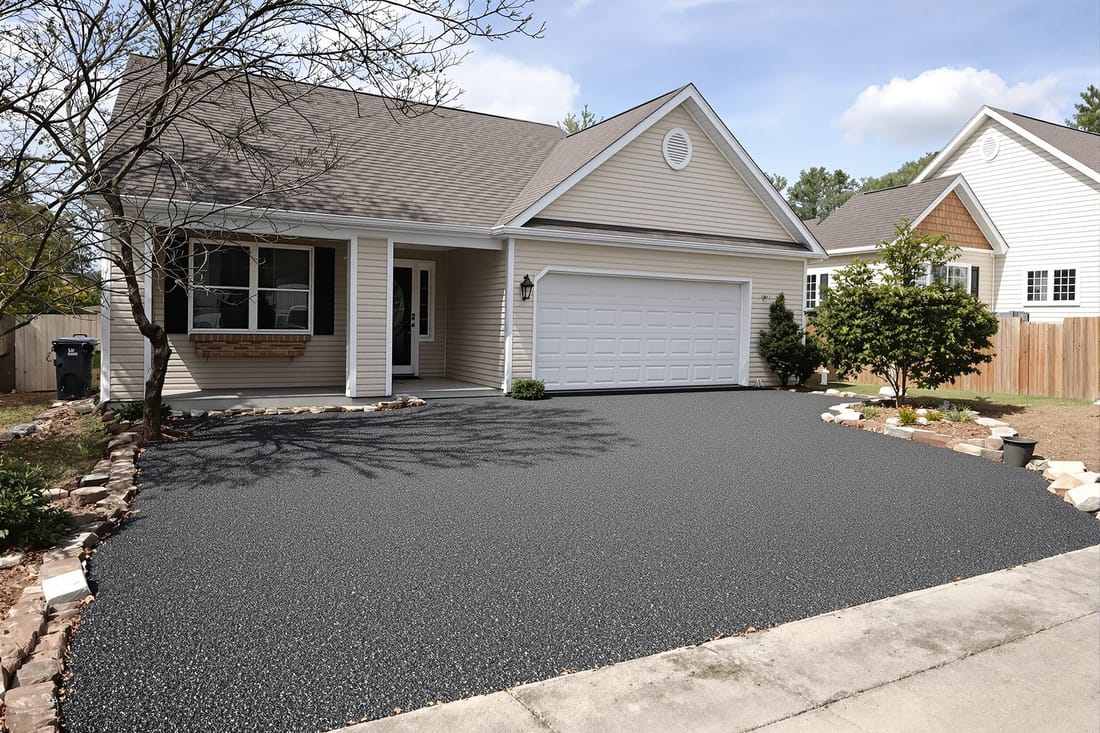
A converted asphalt driveway gives you a smoother surface for vehicles, less tracking of stones into the garage, and easier snow removal in Michigan winters. Unlike a fresh gravel delivery that looks good for a few weeks, an asphalt surface locks everything in place. You also gain a defined edge and cleaner look at the curb, which can help property value and make day to day use of your driveway less of a hassle.
Our crew does not simply spread asphalt over loose stone. We check what is under your gravel, how water moves across your lot, and what weight your driveway actually sees, for example, heavy work trucks, delivery vans, or just passenger cars. Those details decide how thick the asphalt should be, what base corrections are needed, and how we build the edges so that the driveway holds up through Detroit freeze thaw cycles.
How We Convert Gravel To Asphalt, Step By Step
Every gravel to asphalt driveway project in Detroit starts with a site visit. We measure the driveway, check the depth and condition of your existing gravel, and look at any low spots, soft areas, or standing water. We note where downspouts discharge and how close the driveway runs to structures, utilities, or city sidewalks. This tells us what base corrections and drainage changes are needed before any asphalt is placed.
Preparation is the most important phase. Our crew first shapes and regrades the existing gravel with a skid steer or grader so we know what we are working with. Soft or pumping areas are excavated out and replaced with compacted crushed concrete or MDOT graded aggregate base. In some Detroit neighborhoods we find cinder or construction debris under old gravel, which must be removed so the new driveway does not settle or crack.
Once the base material is placed, we compact it with a vibratory roller in several passes to reach a firm, unyielding surface. In some situations, especially where clay soils are present or light commercial traffic is expected, we install a geotextile fabric between the native soil and the new base to stabilize the section and reduce future rutting.
When the base is correct, we add a proof layer of aggregate if needed, then fine grade to the proper pitch so water sheds to the street or to drainage swales instead of toward your house or garage. Only after we are satisfied with the base density and slopes do we bring in hot mix asphalt from a local Detroit plant and install the surface course at the specified thickness.
The asphalt is placed with a paver where access allows, so you get a uniform mat, then rolled with a steel drum roller and finish compacted with a smaller roller or plate compactor along edges and tight spots. Joints at sidewalks, garage slabs, or existing asphalt are sawcut or tacked so the connection is clean and long lasting.
Design Options For Your New Asphalt Driveway
A gravel to asphalt driveway conversion is a chance to fix layout problems, not just change the surface. Many Detroit homeowners take this time to widen narrow approaches, straighten awkward curves, or add a parking pad. Precision Asphalt Detroit will review these options during the estimate, including how changes affect cost and drainage.
You can choose between a standard residential asphalt section or a heavier duty design. For typical passenger cars, a 2 to 2.5 inch compacted asphalt surface over a properly compacted base is often suitable. If you routinely park work trucks, trailers, or commercial vehicles, we may recommend a thicker asphalt layer or a base improvement to avoid depressions and early cracking.
Edging is another design choice. For most conversions, we compact and shape the shoulders so asphalt is slightly above grade and supported by compacted gravel or soil. Where you want a more finished look, we can set concrete borders, Belgian block, or treated timber edging prior to paving. These options help contain the asphalt edges and give a sharp separation between driveway and lawn or planting beds.
Drainage features can also be added during the conversion. This may include small swales, a trench drain at the garage, or re directing downspout extensions that currently run across your gravel. On Detroit lots with limited pitch, we often rely on subtle cross slopes and tying into existing storm inlets where available. All of this is discussed up front so you know how water will move once the gravel is gone.
What Drives Cost For Gravel To Asphalt Driveway Projects
Homeowners often ask why two driveways of similar size can have very different quotes. For gravel to asphalt driveway conversions in Detroit, the main cost drivers are base condition, access, thickness, and layout changes.
Base condition is usually the biggest factor. If your existing gravel layer is deep, clean, and well compacted, we can reuse much of it as part of the base with only minor corrections. If the gravel is thin, mixed with soil, or sitting on soft clay, we need to excavate and bring in new aggregate. Deeper dig outs, disposal of unsuitable material, and additional base are what move a project from the low to the high end of the price range.
Driveway layout and access also affect pricing. Tight rear alleys, narrow side yards, or steep approaches may prevent us from using larger paving machines, which increases labor time. Curved or irregular shapes require more hand work and edging. Widening a driveway, adding a turn around, or building a new parking area increases both base and asphalt quantities.
Asphalt thickness and mix design are another cost lever. A light duty residential driveway may use a single surface course. Heavier use areas may need a base course and a surface course, or a thicker surface mix. In Detroit, mix selection is tied to local MDOT and plant standards, and Precision Asphalt Detroit will match the mix to the expected use so you are not overpaying for unnecessary build up, but also not under building for how you actually use the space.
Finally, timing and season matter. Working in shoulder seasons requires closer attention to mat temperature and compaction, which can limit day length and production. Summer projects usually allow for more efficient scheduling, which can sometimes be reflected in pricing, especially for larger driveways.
Local Conditions In Detroit That Affect Your New Driveway
Detroit and southeast Michigan have specific conditions that directly affect how a gravel to asphalt driveway should be built. Our area sees frequent freeze thaw cycles, lake effect moisture, and periods of heavy snow. Poorly prepared bases in these conditions lead to heaving, edge breakup, and ponding.
Many Detroit neighborhoods are built on clay or fill. Clay holds water and expands when frozen, which is why Precision Asphalt Detroit spends time on subgrade evaluation. In areas where we find wet, plastic clay beneath the gravel, we may recommend undercutting and replacement, the use of a stabilization fabric, or both. This adds cost, but it prevents the surface from rippling and cracking a year or two after installation.
Drainage is another local issue. Older city lots often slope toward garages or neighboring properties, and existing gravel may have settled into low pockets. When converting to asphalt, we correct these slopes as much as the property lines allow. In some parts of Detroit, especially where alleys or city sidewalks control the elevations, we have to balance the driveway slope with code requirements and ADA standards at the walk.
Winter maintenance is better on asphalt than gravel, but it requires some care. A plow blade should be set slightly above the surface to avoid gouging, and de icers should be used correctly, especially in the first season. During our final walkthrough, we explain these points so the new driveway is not damaged during the first few storms.
Because we work throughout Detroit, from older city blocks to newer suburban subdivisions, we have real experience with how different soils and drainage patterns behave once paved. That local knowledge is built into every recommendation we give you.
What To Expect From Precision Asphalt Detroit
Our process for a gravel to asphalt driveway conversion is straightforward so you always know what is happening on your property. After the initial site visit, we send a written proposal that spells out base work, asphalt thickness, drainage adjustments, and any layout changes. You will see what is included and what would be considered additional work if unexpected underground issues are uncovered.
Before work starts, we mark out the new driveway edges and review them with you. On day one, we handle stripping, excavation, and base work. In many cases, especially on larger or more complex driveways, we let the new base sit for a short period so any soft spots reveal themselves and can be corrected before paving. On other jobs, base and paving can be done the same day, depending on site conditions and weather.
On paving day, we coordinate asphalt delivery from a nearby plant so the material arrives at the right temperature. Our crew manages compaction carefully, especially along garage slabs, city sidewalks, and roadway tie ins, where most long term problems show up if not done right. At the end of the project, we rope off or cone the driveway and give you clear instructions on when you can walk and drive on the new surface.
You will also receive guidance on sealing and maintenance. For most Detroit driveways, we do not recommend sealing in the first 6 to 12 months, which allows the asphalt to cure fully. After that, periodic sealcoating can help resist oxidation and minor surface wear.
If you are considering a gravel to asphalt driveway conversion in Detroit or nearby Michigan communities, Precision Asphalt Detroit can inspect your existing drive, explain the real options in plain language, and give you a detailed, locally informed plan for a driveway that holds up in our climate.