Home › Industrial and Heavy-Duty Asphalt Paving
Handle heavy traffic with confidence using our industrial asphalt paving in Detroit, MI. We design thick, reinforced pavement sections for truck yards, loading docks, and warehouse lanes. Proper base, mix design, and compaction keep your operations moving on reliable surfaces.
Precision Asphalt Detroit provides professional industrial asphalt paving throughout Detroit, MI, Michigan and the surrounding area. Our licensed, insured crew delivers safe, clean, on-time work with a free estimate before anything begins. Call (313) 889-7046 or request your free quote.
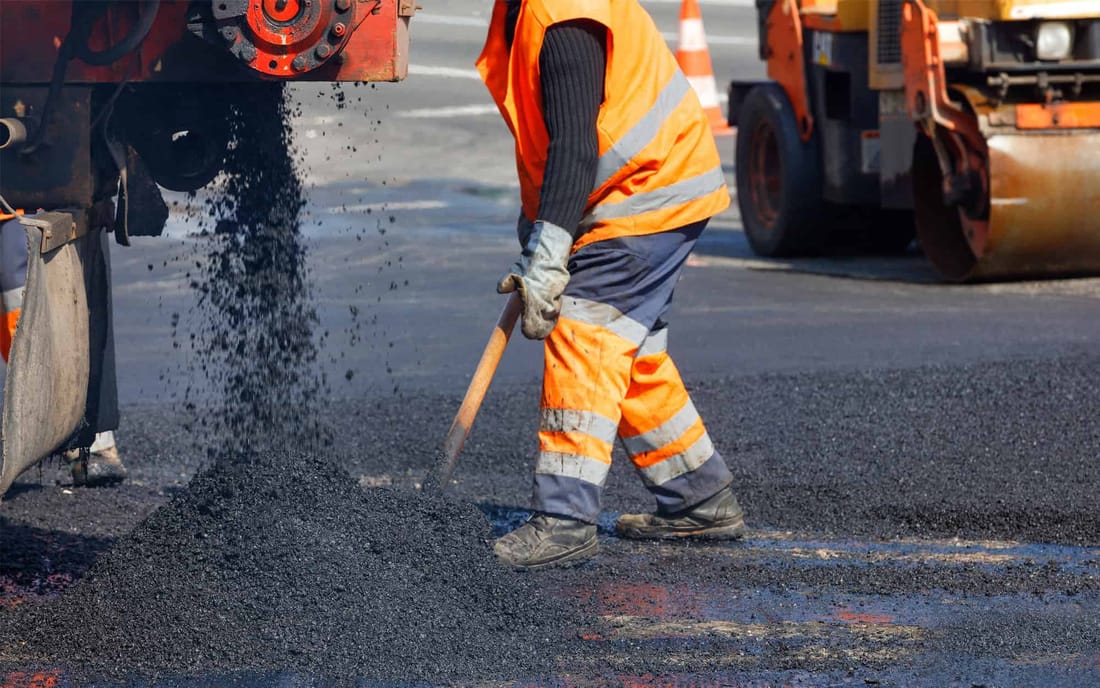
Heavy-duty asphalt built for Detroit industry
Industrial asphalt paving is different from paving a driveway or a small parking lot. Loads are heavier, turning movements are more aggressive, and failure is much more expensive. At Precision Asphalt Detroit, we design and build pavements around the way your operation actually runs, not around a one-size-fits-all spec sheet.
For industrial and heavy-duty asphalt paving in Detroit, MI, the first conversation is about use. We ask what you run on the pavement (semis, forklifts, loaded trailers, tracked equipment), how often loads move, whether trucks sit in one place idling, and where they turn, brake, or back in. Those answers shape the structure of the pavement, including thickness, base type, and mix design.
Local conditions matter too. Detroit freeze-thaw cycles, road salt, and heavy snowplow use will punish a weak section quickly. We plan for that up front with proper subgrade evaluation, drainage design, and material choices suited to Southeast Michigan, so your asphalt can handle February as well as July.
How industrial asphalt paving is actually built
A heavy-duty pavement that holds up under industrial traffic starts in the soil. We begin with a site walk and test areas, probing and sometimes proof-rolling with a loaded truck to see how the subgrade responds. In spots where the soil pumps or rutting appears, we know we have soft or organic material that must be undercut and replaced, typically with compacted sand or aggregate from local Michigan pits.
Next we install and compact the aggregate base. For industrial asphalt paving this is rarely less than 8 inches, and for heavy trailer yards it can reach 12 inches or more. We use a well-graded crushed stone that locks up under compaction, then compact it in lifts using vibratory rollers. We check density and cross slope to make sure water will move off the surface, not sit under it.
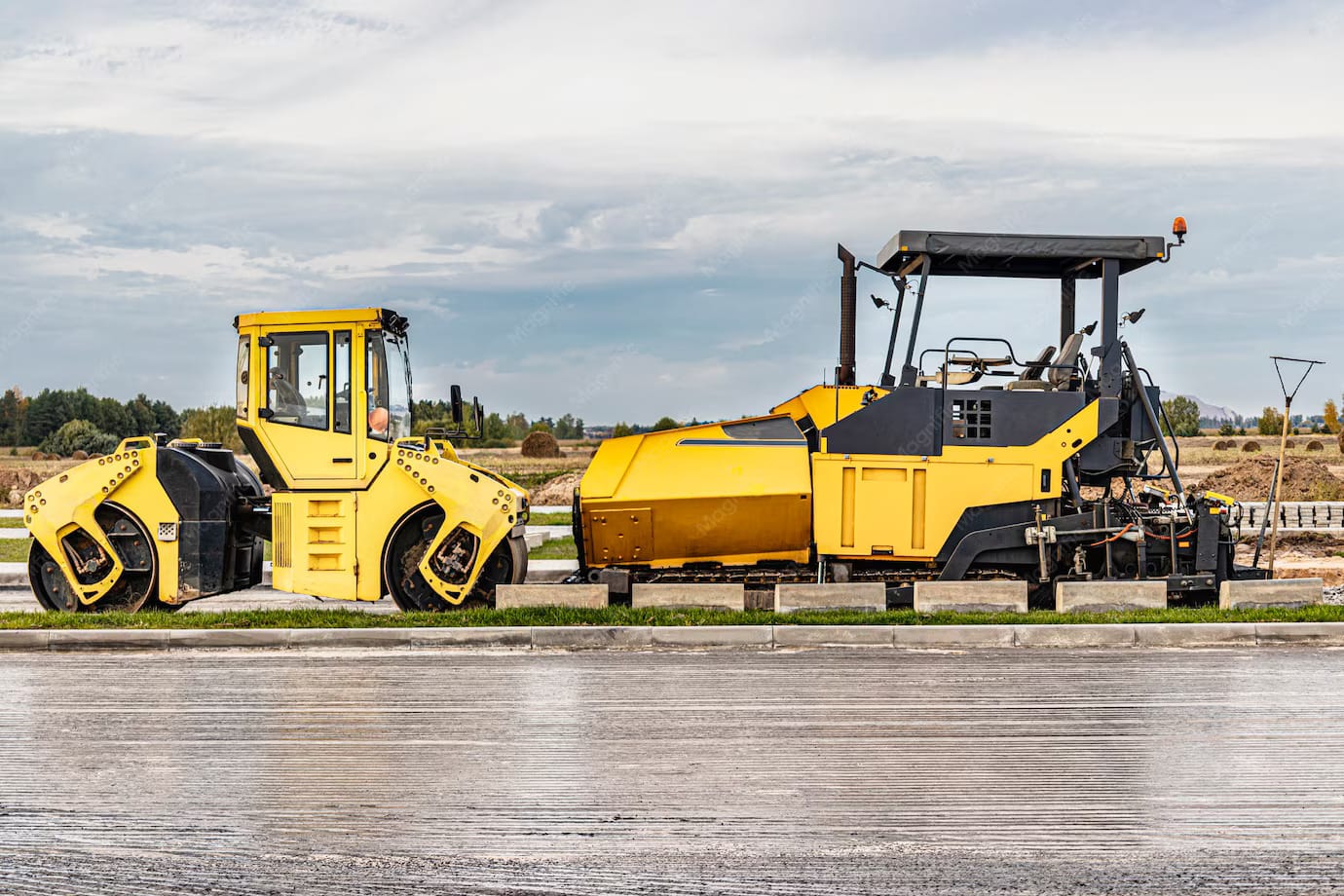
Once the base is correct, we place asphalt in one or more structural lifts. For many Detroit industrial sites, a common build might be a 2.5 to 3 inch binder course, then a 1.5 to 2 inch surface course. In higher stress zones like dumpster pads or loading bays, we may add thickness or specify a stiffer mix with more stone and modified asphalt binder. Everything is machine placed where possible for smoothness, then rolled in a specific sequence (breakdown, intermediate, and finish rolling) to lock the mat together before it cools.
Edge protection is important for yards and loading areas that see side loading from forklifts or drop trailers. We may recommend asphalt curbs, thickened edge details, or tying asphalt into existing concrete pads so edges do not unravel under stress.
Design options for heavy-duty and industrial use
Not every industrial pavement needs the same design. At Precision Asphalt Detroit we tailor the structure to your operations so you are not overpaying for strength you will never use or underbuilding a surface that will fail in a few winters.
For distribution facilities and cross-dock terminals, the big issues are truck lanes and staging areas. We often specify thicker asphalt pavement and a stronger mix in drive lanes, turning circles, and dock approaches, with slightly lighter sections for employee parking. In some cases we combine concrete at the dock face with heavy-duty asphalt for the approach and maneuvering areas, which balances cost and durability.
For factories and plants with forklifts and yard trucks, repetitive wheel paths and tight turning radii can grind a thin surface apart. Here we might design a higher-stone content surface mix, thicker lifts in turning zones, and special detailing where interior slab thresholds meet exterior asphalt so there is no bump or crumbling edge.
For scrap yards, recycling centers, and outdoor storage, the main concerns are impact loads, tracked equipment, and fluids like oil or hydraulic spills. We can incorporate stronger binder grades, slightly textured surface finishes for traction, and drainage details that direct runoff toward designated containment or treatment areas. In heavy industrial zones we may also discuss future resurfacing strategy, such as building in enough base and binder thickness now to allow multiple future mill and overlay cycles without ever touching the base.
What affects cost for industrial asphalt paving in Detroit
If you are budgeting for industrial asphalt paving, a realistic cost range depends on several factors you can often control with good planning.
Subgrade condition is usually the largest variable. A flat, well-drained site with competent existing stone can be surfaced more economically. A site with peat pockets, buried debris, or trapped water will require excavation, undercut, and replacement materials, which adds time and cost. On Detroit brownfield or older industrial sites, we often discover previous pavements, concrete slabs, or cinder fill that change the plan, so we build contingencies into proposals and talk openly about them before work begins.
Thickness and mix design also drive price. Heavier sections with more asphalt tonnage and higher performance mixes cost more upfront but are often cheaper over 15 to 20 years because they need fewer major repairs. We will typically provide you with at least two options: a minimum acceptable industrial section and a more robust option, along with projected life and maintenance expectations for each.
Phasing, shutdown windows, and access requirements can affect labor efficiency. If your Detroit operation must stay open, we can phase work by truck routes or dock groups and schedule nights or weekends. That keeps trucks moving but may require extra mobilizations, traffic control setups, and temporary ramp work. We show these items clearly in our proposals so you can weigh schedule versus cost.
Timing in the year matters too. Heavy-duty asphalt work in Michigan is best performed when daytime temperatures are consistently above 50 degrees and nights are not dropping too low, which usually means late spring through early fall. Placing thick pavements in cold weather can lead to improper compaction and shortened life, so we will be honest about what can or cannot be done in late season.
Common problems, maintenance, and how we keep your pavement working
Industrial pavements fail differently than light-duty lots. Instead of random surface cracking, you might see shoving at loading docks, rutting in truck lanes, or broken edges where trailers roll off the pavement. At Precision Asphalt Detroit we design and maintain with those failure modes in mind.
A big issue in Detroit is moisture intrusion and freeze-thaw. If water gets into the base through cracks or poor drainage, winter cycles can cause pumping, potholes, and settled slabs around catch basins. We address this by sealing joints between asphalt and concrete, making sure inlets are properly set and supported, and proposing timely crack sealing for high-value pavements. When we resurface industrial yards, we often recommend milling out deeper in wheel paths and around drains so we can rebuild these stress points rather than simply covering them.
Salt and plows are another reality for Southeast Michigan sites. For heavy plow use, especially with loaders and metal blades, we pay attention to smooth transitions, avoid fragile raised structures, and suggest durable mix designs that resist raveling. We also review snow storage locations with you, since piling snow and ice in one corner year after year can soften the underlying base and lead to localized settlement.
We like to leave customers with a simple maintenance plan. This usually includes a first inspection after the first winter, a list of areas to watch (like high traffic dock lanes), and suggested timelines for minor crack sealing and periodic overlays. For facilities planning capital budgets, we can walk the site and provide a 3 to 5 year pavement plan that prioritizes critical zones first so you are not surprised by a sudden yard shutdown.