Home › Walkway and Pathway Paving
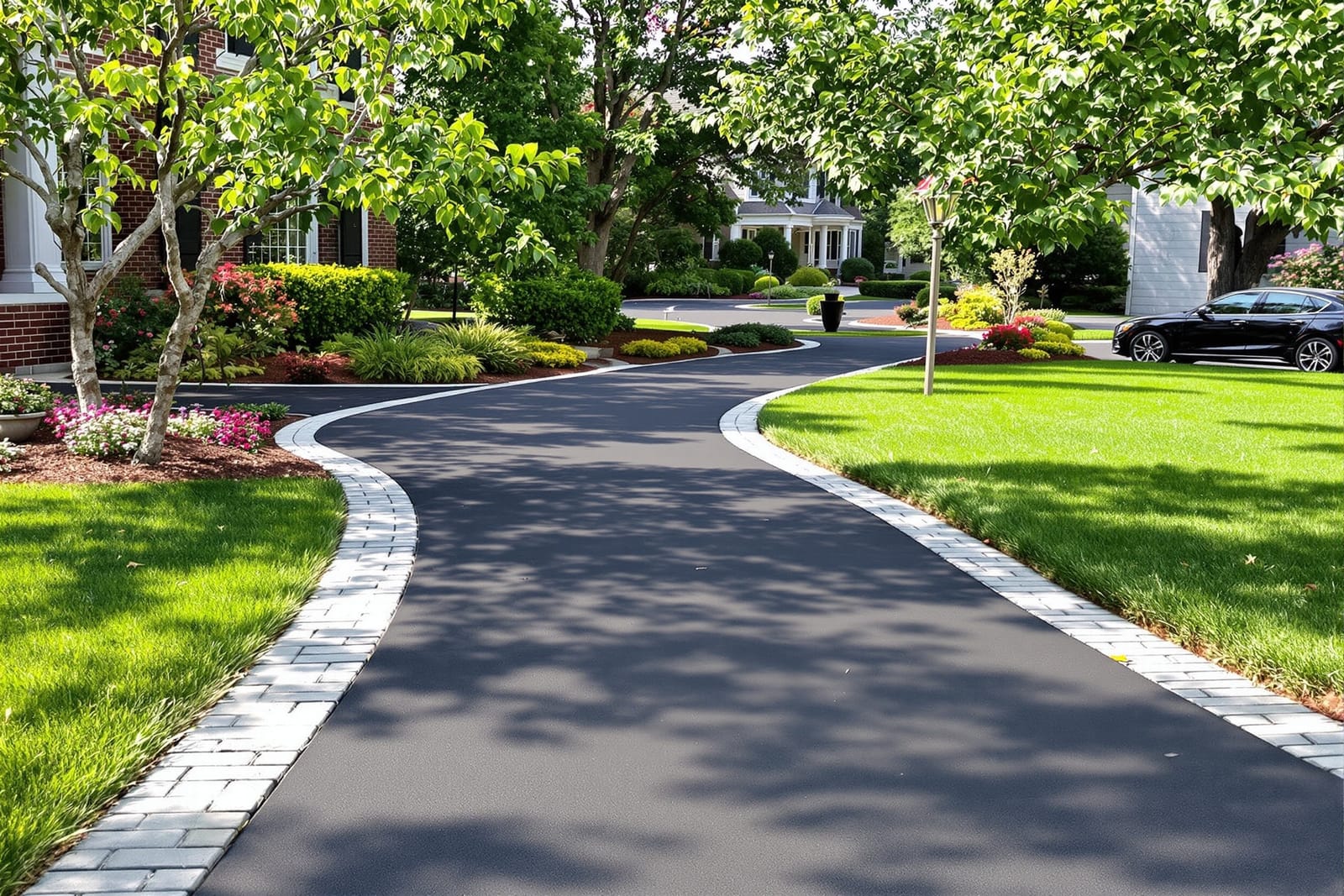
Create smooth, safe access around your home with asphalt walkway paving in Detroit, MI. We design and install new paths, side yard walkways, and garden routes that shed water and resist cracking. Enjoy clean, low maintenance walkways that look great and stay comfortable underfoot.
Precision Asphalt Detroit provides professional asphalt walkway paving throughout Detroit, MI, Michigan and the surrounding area. Our licensed, insured crew delivers safe, clean, on-time work with a free estimate before anything begins. Call (313) 889-7046 or request your free quote.
Durable Asphalt Walkways and Paths for Detroit Properties
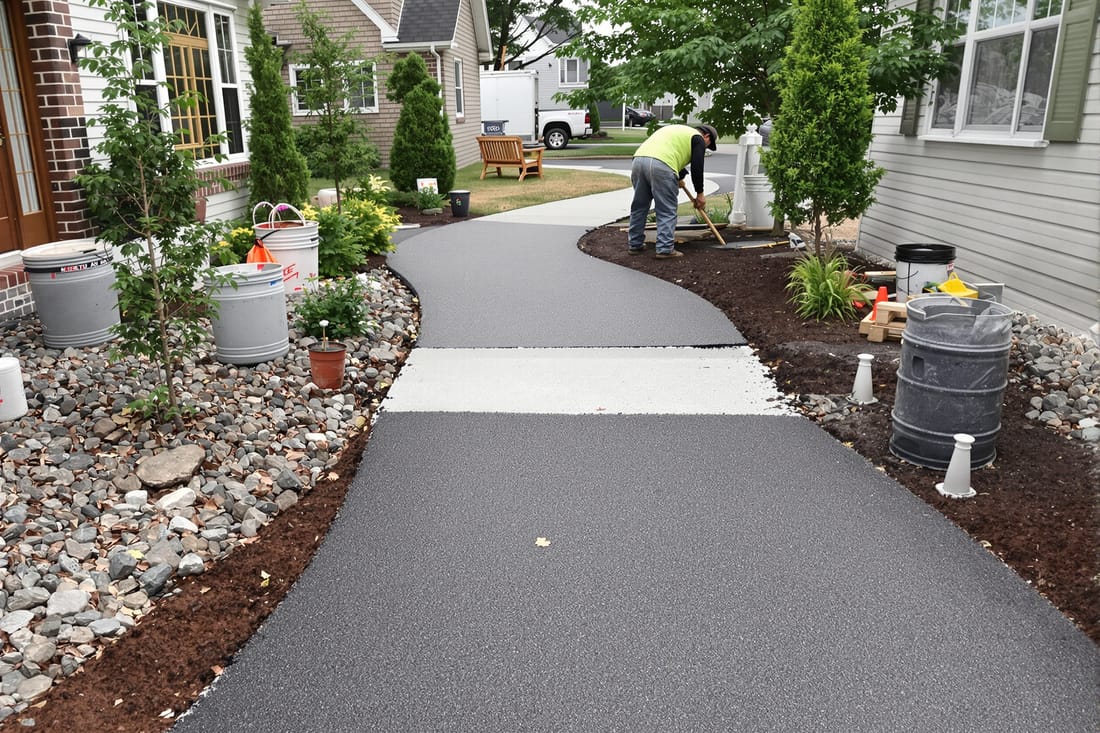
Asphalt walkway paving is one of the most cost‑effective ways to create clean, safe walking routes around homes, businesses, schools, and apartment communities in Detroit. Precision Asphalt Detroit designs and installs walkways and pathways that handle foot traffic, snow shovels, and freeze‑thaw cycles without crumbling after a couple of winters.
We focus on the parts most people overlook: base preparation, water control, and thickness. A well built asphalt walk should not settle unevenly, hold puddles, or crack into pieces after a few seasons. Our crews tailor each project to the property, whether you need a simple straight walk from driveway to front door, a curved path through landscaping, or a wider multi‑use path for pedestrians and small maintenance vehicles.
In Detroit, asphalt is usually the smartest choice over concrete for walkways when you want flexibility, softer footing, and easier repairs. If heavy tree roots or older subgrade are a concern, asphalt can flex slightly instead of snapping. When repairs are needed, we can patch or overlay small sections instead of tearing everything out.
Planning Your Walkway or Pathway Layout
A good layout makes a walkway feel natural and keeps people from cutting across grass or landscaping. Precision Asphalt Detroit starts with how the space is really used, not just where a line looks good on a drawing.
For residential properties, we look at how you enter and exit the house, where you park, and how delivery drivers or guests approach your door. For commercial and multi‑family sites, we consider ADA requirements, parking flow, dumpster and loading areas, and bus or rideshare drop‑offs. Paths should be wide enough for two people to walk side by side in busy areas, and narrower in low traffic garden paths to save cost.
We also factor in Detroit’s winter reality. We avoid layouts that force you to shovel tight corners or steep slopes. Where possible, we design gentle grades that drain water away from entrances and avoid the need for handrails. If we anticipate heavy use by wheelchairs or carts, we may recommend a thicker section and slightly wider layout for comfort and safety.
During planning we identify potential conflicts such as shallow utilities, tree roots, or existing drainage swales. Addressing these early helps avoid surprise costs and change orders once excavation starts.
How Asphalt Walkway Paving Is Actually Installed
Quality in walkway and pathway paving is mostly decided before the first load of asphalt shows up. Precision Asphalt Detroit follows a step‑by‑step process so the finished pavement holds up through Detroit’s harsh winters and hot summers.
1. Site evaluation and measurements: We check soil conditions, current drainage patterns, and existing elevations. We mark utilities and plan cuts to tie into driveways, sidewalks, patios, or parking lots cleanly.
2. Excavation: We remove grass, topsoil, and weak subgrade to the depth needed for the new base and asphalt, usually 6 to 10 inches total depending on soil and expected traffic. For older properties, we may have to demo old broken concrete or asphalt first.
3. Base installation: We install and compact crushed stone or slag in lifts, using plate compactors or rollers sized for tight walkway areas. Proper compaction is critical. Soft spots are dug out and replaced until the base is consistently firm.
4. Edge definition: Where appropriate, we install edge restraints, such as concrete curbing, fixed edging, or simply build up the base with a clean vertical edge so the asphalt has solid support. This keeps the sides from crumbling or unraveling.
5. Asphalt placement: For most walkways we use a fine‑graded asphalt mix that compacts to a smoother surface than typical road mix. Thickness usually ranges from 2 to 3 inches compacted for pedestrian paths, and up to 4 inches if maintenance vehicles will occasionally use the path.
6. Compaction and finish: We compact the asphalt with small rollers and plate compactors so we can reach tight curves and along building edges. We check slopes during compaction to ensure water runs where we intend, not toward foundations or low spots.
7. Final walk‑through: We review access points, terminations, and drainage with you, explain cure times and when you can walk or place equipment on the new pavement, and note any areas to monitor after the first couple of rains.
Design Options, Widths, and Surface Choices
Asphalt walkways and pathways do not have to look like small roads. Precision Asphalt Detroit offers several design choices to match your property and how the path will be used.
Standard widths for residential walks usually range from 3 to 4 feet, which is ideal for single file or light two‑person traffic. For busier commercial sites, school campuses, and park systems, 5 to 8 feet is more appropriate, especially near entrances or where pedestrians meet bikes or maintenance carts.
We can install straight runs for cost efficiency or add gentle curves to work around landscaping, trees, and existing structures. Curved paths often drain better and feel more natural in yards and green spaces. At doorways and intersections, we may flare or widen the pavement slightly to give more room for turning and passing.
Surface texture is controlled mainly through the asphalt mix and compaction. For residential and ADA areas, we prefer fine aggregates for a smoother finish that is comfortable to walk on but still provides traction when wet or snow covered. Where traction is a priority, such as near steep drive entries or sloped walkways, we can adjust the mix and compaction to leave a slightly more textured surface.
We also coordinate with lighting, railings, and adjacent landscaping. While we do not install electrical systems, we can adjust layout and elevations so conduit, light poles, and planter beds work cleanly with the new pavement. For properties that may later receive decorative coatings or sealers, we can select mixes and finishes that accept those treatments better.
What Drives Cost for Asphalt Walkway Paving in Detroit
Many Detroit property owners are surprised at how much the same length of walkway can vary in price from one site to another. Precision Asphalt Detroit is upfront about cost drivers so you understand where your money goes.
Key factors include:
• Excavation depth and haul away: Removing old concrete, thick asphalt, or deep organic soil costs more than stripping sod. Tight access that limits equipment size can also affect labor time.
• Base requirements: Soft or wet soils along the Detroit River, in older fill areas, or in low spots often need thicker stone or stabilization fabric. Investing in a solid base avoids future settlement and water problems.
• Width, thickness, and intended use: A narrow 3‑foot garden path for pedestrians only is less expensive than a 6‑foot path designed for carts, snowplows, or small maintenance vehicles. Heavier use means more base and thicker asphalt.
• Layout complexity: Curves, multiple tie‑ins, transitions to steps or porches, and work around tree roots or utilities add time and detail work. Simple straight runs are more economical.
• Site access and staging: Downtown Detroit and tight urban neighborhoods may limit truck and machinery access. This can require smaller loads, handwork, or off‑site staging that affects labor cost.
We provide written estimates that break out major components, explain any uncertain conditions such as hidden subgrade issues, and outline options at different price levels where practical.
Dealing With Common Walkway Problems and Detroit Weather
Detroit’s freeze‑thaw cycles, deicing salts, and snow removal can be hard on poorly built pavements. Precision Asphalt Detroit designs walkways specifically to cope with local conditions and the way properties are maintained.
Water control is the first priority. We aim for at least a 1 to 2 percent slope on walkways where possible, directing water away from buildings, garages, and steps. In flat Detroit yards or infill lots where this is difficult, we may recommend drain basins, swales, or tying into existing drainage systems to prevent long term icing problems.
To reduce cracking from frost heave, we remove organic soil, use compacted stone base, and avoid trapping water under the pavement. Near large trees, we discuss future root growth and may recommend keeping the path slightly farther from trunks or using base adjustments to buffer root pressure.
For properties that rely heavily on salt or chemical deicers, we recommend appropriate asphalt mixes and maintenance practices. While asphalt generally handles salt better than concrete, heavy salt use can still dry the surface over many years. Routine sealcoating on a proper schedule can help extend life.
If you already have an asphalt walkway with cracks, settling, or drainage issues, we inspect it to determine whether milling and overlay, partial reconstruction, or full replacement makes the most sense. Sometimes targeted base repairs and a new surface lift can correct problems without a complete tear‑out.
Timing, Maintenance, and How to Get Started
In Southeast Michigan, the most reliable paving window for walkways is usually late April through October, depending on actual temperatures. Precision Asphalt Detroit prefers to place asphalt when both air and ground temperatures are warm enough for proper compaction and bonding, usually above 50 degrees and rising. Cooler weather work is possible, but we may adjust mix choice and scheduling for quality.
We usually recommend keeping heavy items such as dumpsters or equipment off new walkways for several days after paving, but light foot traffic can often start within 24 hours, depending on temperature and thickness. We provide site specific guidance when the job is complete.
Routine maintenance is straightforward. Keep edges supported with soil or mulch, not hanging in the air. Sealcoating every few years, especially in high sun or high salt areas, can help slow oxidation and minor surface wear. Prompt crack sealing prevents water from entering and damaging the base, which is especially important before winter.
To begin a walkway or pathway project, we typically schedule an on‑site visit to measure, evaluate drainage and soil conditions, and discuss how you and others use the space. Precision Asphalt Detroit then prepares a clear proposal that outlines layout, thicknesses, materials, and any alternate options. This approach gives you a realistic picture of cost, schedule, and what to expect throughout construction.